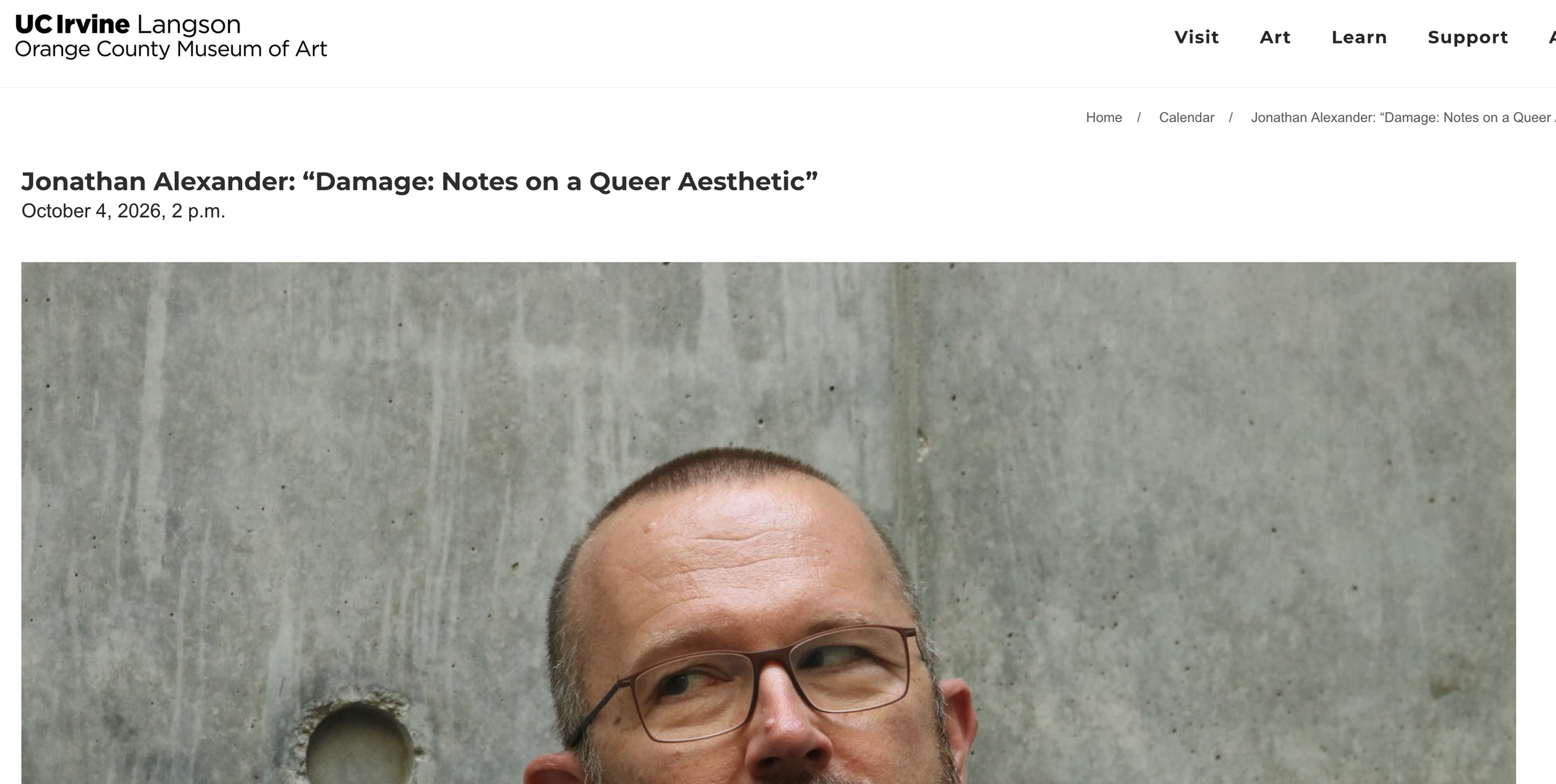
Join me on Saturday, October 4 at 2 pm at the UCI Langson Museum (formerly OCMA) for a presentation on DAMAGE: NOTES ON A QUEER AESTHETIC. For more info: https://langson.uci.edu/calendar/talk-jonathan-alexander/
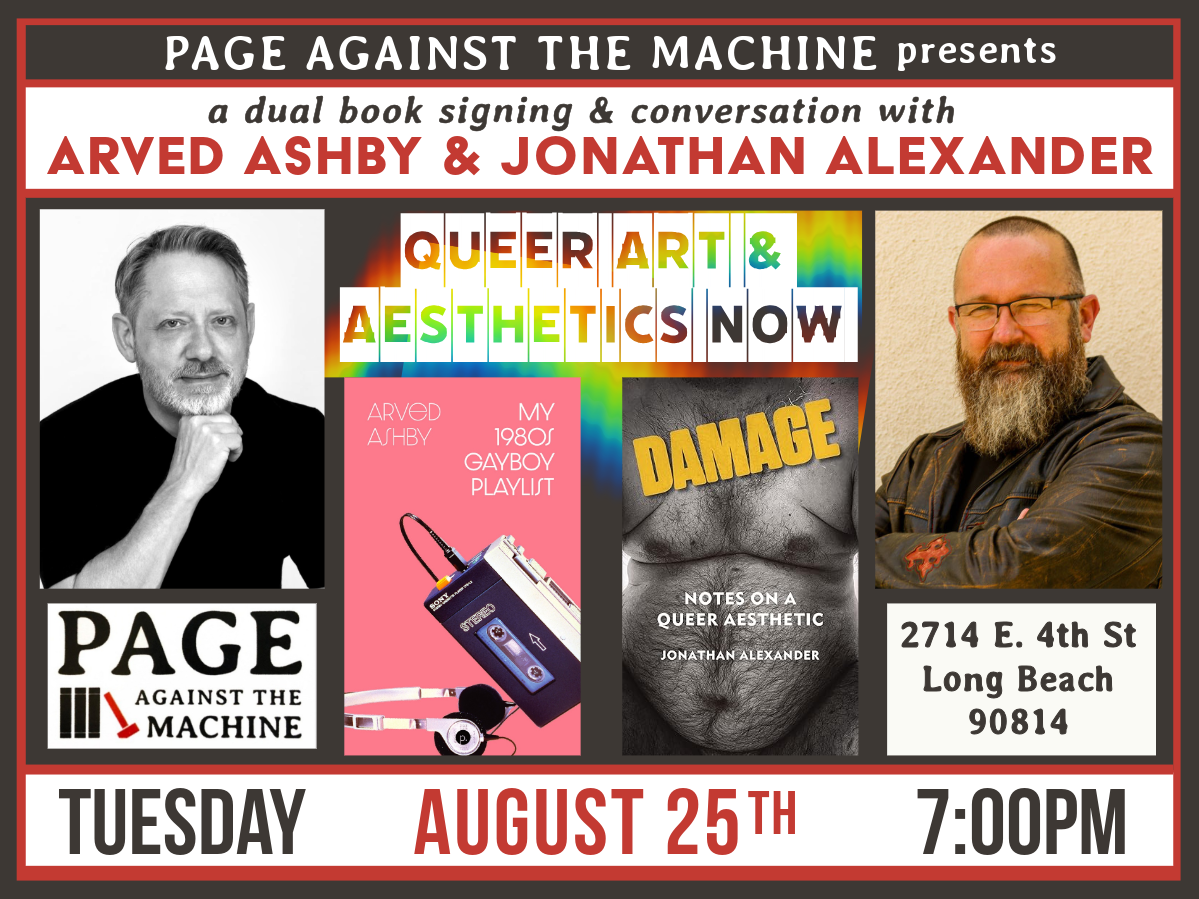
Alexander & Ashby in Long Beach next week!
Event by Page Against The Machine
Public · Anyone and Everyone !
Join us on 𝗧𝘂𝗲𝘀𝗱𝗮𝘆 𝗔𝘂𝗴𝘂𝘀𝘁 𝟮𝟱𝘁𝗵 at 𝟳:𝟬𝟬𝗽𝗺 for a candid, intimate, and entertaining conversation on 𝗤𝘂𝗲𝗲𝗿 𝗔𝗿𝘁 𝗮𝗻𝗱 𝗔𝗲𝘀𝘁𝗵𝗲𝘁𝗶𝗰𝘀 𝗡𝗼𝘄 with authors and professors 𝗔𝗿𝘃𝗲𝗱 𝗔𝘀𝗵𝗯𝘆 and 𝗝𝗼𝗻𝗮𝘁𝗵𝗮𝗻 𝗔𝗹𝗲𝘅𝗮𝗻𝗱𝗲𝗿 who will be presenting, discussing, and signing their latest books.
What are queer aesthetics? And what do they have to tell us about being queer right now? These and other questions related to queer art and cultural production will be discussed through the lenses of Ashby's and Alexander's respective, and thematically-related, books.
In his remarkably intimate book, 𝙈𝙮 1980𝙨 𝙂𝙖𝙮𝙗𝙤𝙮 𝙋𝙡𝙖𝙮𝙡𝙞𝙨𝙩 (punctum books), award-winning music writer Arved Ashby muses over pieces that impacted his sexual and musical awakenings as a troubled gay adolescent—pieces by Tchaikovsky, Chopin, Beethoven, Anton Bruckner, Alban Berg, Prince, Kurt Cobain, and Tom Petty. Jonathan Alexander’s new book, 𝘿𝙖𝙢𝙖𝙜𝙚: 𝙉𝙤𝙩𝙚𝙨 𝙤𝙣 𝙖 𝙌𝙪𝙚𝙚𝙧 𝘼𝙚𝙨𝙩𝙝𝙚𝙩𝙞𝙘 (Fordham UP), asks how to look at images marked by queer pain without turning that pain into shock or pretending it isn’t there. Alexander answers by pairing close looking with lived experience. The result is intimate and analytic at once, a book that stays with hard feelings while still making room for possibility.
𝘈𝘣𝘰𝘶𝘵 𝘵𝘩𝘦 𝘱𝘢𝘳𝘵𝘪𝘤𝘪𝘱𝘢𝘯𝘵𝘴:
𝗔𝗿𝘃𝗲𝗱 𝗔𝘀𝗵𝗯𝘆 is Emeritus Professor of Musicology at Ohio State University. Award-winning author of many books, he has moved ever further from restrictive and impersonal norms of thinking and writing, a process that has reached its culmination (so far) in 𝘔𝘺 1980𝘴 𝘎𝘢𝘺𝘣𝘰𝘺 𝘗𝘭𝘢𝘺𝘭𝘪𝘴𝘵. Following the pandemic and resurgence of fascism and brutal deceits, and picking up on the discussions of shame found in 𝘔𝘺 1980𝘴 𝘎𝘢𝘺𝘣𝘰𝘺 𝘗𝘭𝘢𝘺𝘭𝘪𝘴𝘵, Ashby has now focused on indignity and intolerance. To that end, he is currently working on a book titled 𝘚𝘩𝘢𝘮𝘦 𝘰𝘯 𝘔𝘦: 𝘛𝘩𝘦 𝘓𝘢𝘯𝘨𝘶𝘢𝘨𝘦𝘴 𝘰𝘧 𝘐𝘯𝘵𝘦𝘳𝘯𝘢𝘭𝘪𝘻𝘦𝘥 𝘖𝘱𝘱𝘳𝘦𝘴𝘴𝘪𝘰𝘯.
𝗝𝗼𝗻𝗮𝘁𝗵𝗮𝗻 𝗔𝗹𝗲𝘅𝗮𝗻𝗱𝗲𝗿 is Chancellor’s Professor of English and Gender & Sexuality Studies at UC Irvine, where he also currently serves as chair of the Department of English. Author of more than twenty books, he blends memoir and criticism in work often described as autotheory. His titles include 𝘞𝘳𝘪𝘵𝘪𝘯𝘨 & 𝘋𝘦𝘴𝘪𝘳𝘦, 𝘚𝘵𝘳𝘰𝘬𝘦 𝘉𝘰𝘰𝘬, and a trilogy—𝘊𝘳𝘦𝘦𝘱: 𝘈 𝘓𝘪𝘧𝘦, 𝘢 𝘛𝘩𝘦𝘰𝘳𝘺, 𝘢𝘯 𝘈𝘱𝘰𝘭𝘰𝘨𝘺; 𝘉𝘶𝘭𝘭𝘪𝘦𝘥: 𝘛𝘩𝘦 𝘚𝘵𝘰𝘳𝘺 𝘰𝘧 𝘢𝘯 𝘈𝘣𝘶𝘴𝘦; and 𝘋𝘦𝘢𝘳 𝘘𝘶𝘦𝘦𝘳 𝘚𝘦𝘭𝘧. Honors include a Lambda Literary finalist nod, a gold IPPY, an INDIES finalist citation, and the Lavender Rhetorics Award.
The event is free and open to the public, no tickets or reservations required!
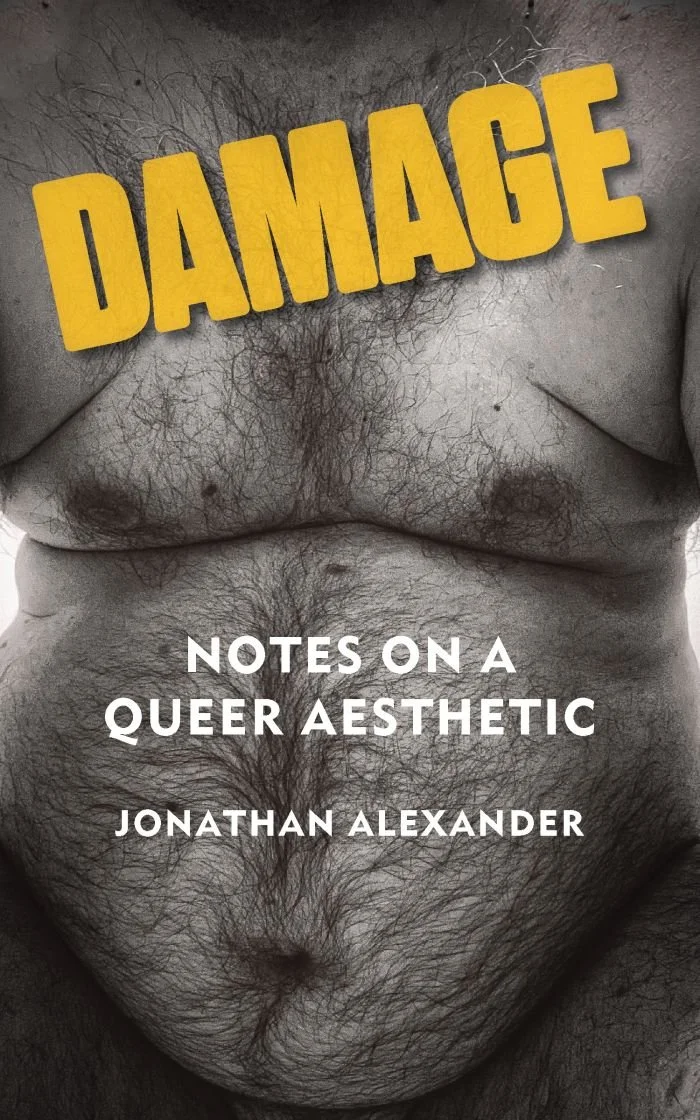
DAMAGE is out!
DAMAGE: NOTES ON A QUEER AESTHETIC is out this summer! Order here: https://fordhampress.com/damage-pb-9781531513160.html
A personal, critical guide to seeing queer art’s wounds and possibilities
Damage asks how to look at images marked by queer pain without turning that pain into shock or pretending it isn’t there. Writer and critic Jonathan Alexander answers by pairing close looking with lived experience. The result is intimate and analytic at once, a book that stays with hard feelings while still making room for possibility.
Damage blends personal story with cultural criticism. Here, first-person stories advance the ideas. Alexander uses scenes from his life to test claims about seeing, care, and repair. The “I” works as a method that keeps theory accountable to bodies and communities, to the facts of illness, stigma, racism, and homophobia.
Across five artists, Alexander traces how damage becomes material for art and a spur to relation. With Hervé Guibert, he considers self-imaging in the AIDS era as testimony and technique. With Mark Morrisroe, he follows Polaroids and punk intimacy to find a grammar of tenderness inside grit. Laura Aguilar anchors a practice of self-portraiture that scales from a solitary body to community, land, and kinship. Carlos Martiel turns performance into a register of how nations write on bodies through race, migration, and discipline. Catherine Opie models an ethic of looking that includes self-portrait and community portrait, attending to the marks of pleasure and hurt while asking what repair might involve.
Damage is compact and teachable. Each chapter opens with a scene of looking and moves to ideas readers can use. An interlude asks how beauty persists amid harm. A closing “Aftermath” offers practical ways to stay with difficult images without going numb. The prose is precise and direct. The claims are careful. The aim is not to cure pain, but to help readers recognize it, live with it, and act in its wake.
A 'meditation on how to survive with pain' in relation to queer experience and visual artworks, Jonathan Alexander’s Damage is a beautiful book. It draws on queer feminist modes of deep interpretation, daring to expose the most intimate aspects of the personal and his own embodied proclivities and attachments/repulsions to do justice to the “damaged” bodies of queer culture—his own and those of artists from Laura Aguilar to Cathie Opie and Carlos Martiel. Most profoundly, the book deploys and explores queer images to make sense of how any or all of us survive and thrive with the pain of being human, demonstrating the power of pictures to transform.—Amelia Jones, Robert A. Day Professor at the Roski School of Art & Design, University of Southern California
Thinking about his own intrepid selfies alongside an archive of self-representations by important artist-activists, Alexander composes an impassioned meditation on the aesthetics of queer damage, one that ultimately, astonishingly longs toward the hope and beauty of a broken world. His disclosure of the vulnerable body—his own, our own—is an artistic offering of stunning generosity, a gift no less profound than the very possibility of joy.—Alice Dailey, Villanova University.
Most queer lives are marked by kinds of damage straight people will never know. There are some tried and true ways that queer art tries to work the damage, perhaps too quickly, into some other emotion, pride for example. Jonathan Alexander invites us to linger a little longer with what wounds, to find other paths to ongoingness, in queer art and life. His willingness to be present for those discomforting moments leads to rich readings of some of the canonic images and image makers of gay life.—McKenzie Wark, author of Love and Money, Sex and Death and Reverse Cowgirl
In Damage, Jonathan Alexander considers the work of artists and thinkers as disparate as Herve Guibert and Laura Aguilar to examine the damage and shame that persists beneath the surface of contemporary queer culture. Erudite and audacious, Alexander is one of the most intelligent critics of gender and literature. This work is a bracing new provocation.—Chris Kraus, author of The Four Spent the Day Together
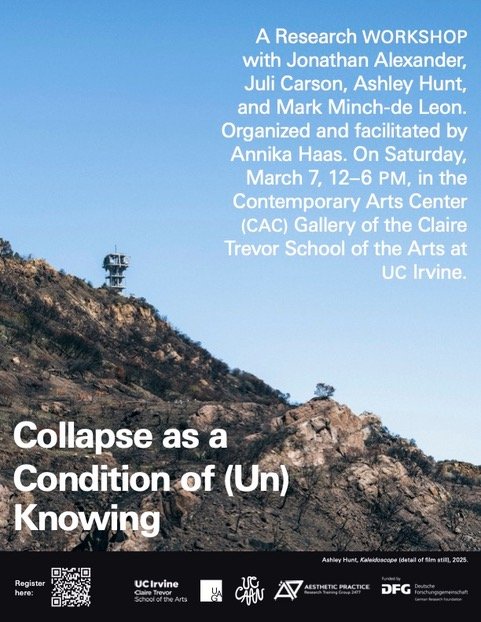
Upcoming Symposium --
Excited about this upcoming symposium at UC, Irvine — where I’m going to be presenting some work from DAMAGE, my forthcoming book!
Saints and Sinners Writer Spotlight!
Delighted to be the spotlit writer for SASFest 2026 this week!
SAS Speaker Spotlight:
Jonathan Alexander
Jonathan Alexander is Chancellor’s Professor of English and Gender & Sexuality Studies at UC Irvine. A writer of 20+ books, he blends memoir and criticism in work often described as autotheory. His titles include Writing & Desire, Stroke Book (Fordham), and a trilogy—Creep: A Life, a Theory, an Apology; Bullied: The Story of an Abuse; and Dear Queer Self. Honors include a Lambda Literary finalist nod, a gold IPPY, an INDIES finalist citation, and the Lavender Rhetorics Award.
We had the pleasure of interviewing Jonathan to learn more about his thoughts on writing and art, and his soon-to-be published book, Damage.
What about “critical memoir” calls to you as a writer and scholar?
I’ve spent most of my career as an academic, writing in very scholarly modes. However, in the aftermath of hurricane Katrina, which had a very significant impact on my family, I realized that I wanted to write about my experiences growing up in Louisiana, and I couldn’t quite do that in a purely scholarly fashion. I tried, writing a review for the Los Angeles Review of Books about the HBO show TREME, for instance, but I also felt the pull to write more immediately, even more viscerally about what it was like to grow up queer in New Orleans during the 80s. It was as though Katrina and its impact on my family dredged up a lot of thinking and feeling and remembering that I needed to start to acknowledge and find a way to write through.
What themes do you see overlapping across your personal and academic interests?
I think the theme that unites all of my writing, whether academic or creative nonfiction, clusters around the need to connect deeply personal experiences with larger social and even political situations and histories. I grew up during the very homophobic 80s at the height of the AIDS epidemic and it was abundantly clear to me that queer people were definitely not a desirable segment of the American population. With politicians threatening to put us in camps or tattoo us as a form of warning to others, not to mention the frequently proclaimed assertion that AIDS was a divinely just punishment for being queer, my sense of self as a queer person was formed through social and political awareness of how undesirable I was as a human being. Ever since then, my personal struggle has been to value who it is that I am as a human being, and especially as a queer human being. That struggle can never be purely personal; it is intimately connected to my early experiences of intense homophobia, both locally in New Orleans, but also as mediated through national coverage of the AIDS epidemic.
Can you speak more about The Creep Trilogy and how that project came about, and grew?
In so many ways, that trilogy arose directly out of my attempt to grapple with that intimate intertwining of personal and political experience. I wrote the CREEP trilogy as a way to understand how my early experiences with homophobia had shaped my sense of self so deeply, tempting me to think that I myself was a creep, as opposed to being able to recognize the true creepiness of a society that would try to convince a young person that he was going to hell for being queer. I recount painful experiences with homophobic bullying as well as my reactions to the various historical dramas playing out in the 80s and 90s about queer rights. By the time I get to the final volume, DEAR QUEER SELF, I am writing a letter to my younger self in recognition of how significant it is that he survived everything that he did. So the trilogy becomes a way from me, not just to document homophobic experiences, but to also honor survivorship.
We’re very excited for your book DAMAGE coming out this May! What about queer art and pain have you discovered while working on this project?
In so many ways, the new book, DAMAGE, which I think of as an autotheoretical text, combining both memoir and critical analysis, picks up on the work of the trilogy. It asks some of the same questions. How do gay or queer people who have grown up with significant homophobic violence, sometimes compounded by racism and misogyny and ableism, deal with the psychic and physical damages done to them? Instead of focusing just on myself, I look at five artists whose work seems to me emblematic of different responses to this question. Herve Guibert and Mark Morrisroe created stunning visual work in response to grappling with living with HIV as a death sentence. Carlos Martiel’s endurance performances challenge us to think about the brutal physical and psychic legacies of slavery from a queer perspective. Laura Aguilar brilliant photographs turn our attention to Chicana subjectivity and fatness as they intersect
queer experience. And Catherine Opie explored in her own flesh the struggle, including the pains and the delights, in creating queer family. For each of these artists, the queer struggle is certainly at times about finding moments of beauty, even joy, but those moments cannot be separated from the ongoing struggle with dealing with the damages of living in a homophobic culture. In fact, part of what I explore in DAMAGE is how grappling with those damages is key to understanding not only these artists’s aesthetic practices, but the kind and quality of beauty that they are able to create.
Can you talk more about your experiences conversing with fellow queer artists, and if/how those conversations have inspired you to turn inward as well?
In a weird way, my work in analyzing these artists has perhaps inspired me to turn more outward than inward! I have begun my own artistic practice of self representation as a way to explore beauty arising out of damage. I include some of my own photographs in the book as well.
How do you hope readers will come away from Damage, connecting either with the stories you recount or the theories you postulate?
I hope that readers will experience some of my deep admiration for the artists that I write about, and that they will seek out even more artists who explore the complexity of being queer. If anything, DAMAGE might be thought of as a field guide for others to take and continue their own journeys in thinking about crafting survival, and hopefully even joyful queer lives, even as we continue to contend with the challenges of living in a homophobic culture.
As a returning Saints & Sinners participant, what about SASFest are you most looking forward to this year?
Besides returning to my hometown for the week and enjoying some wonderful food, I am most looking forward to listening to some great writing and to reconnecting with friends and making new ones as well!
New Work on Insta!
Have been experimenting with different portrait styles and methods. Check it out! https://www.instagram.com/profjalexanderart/
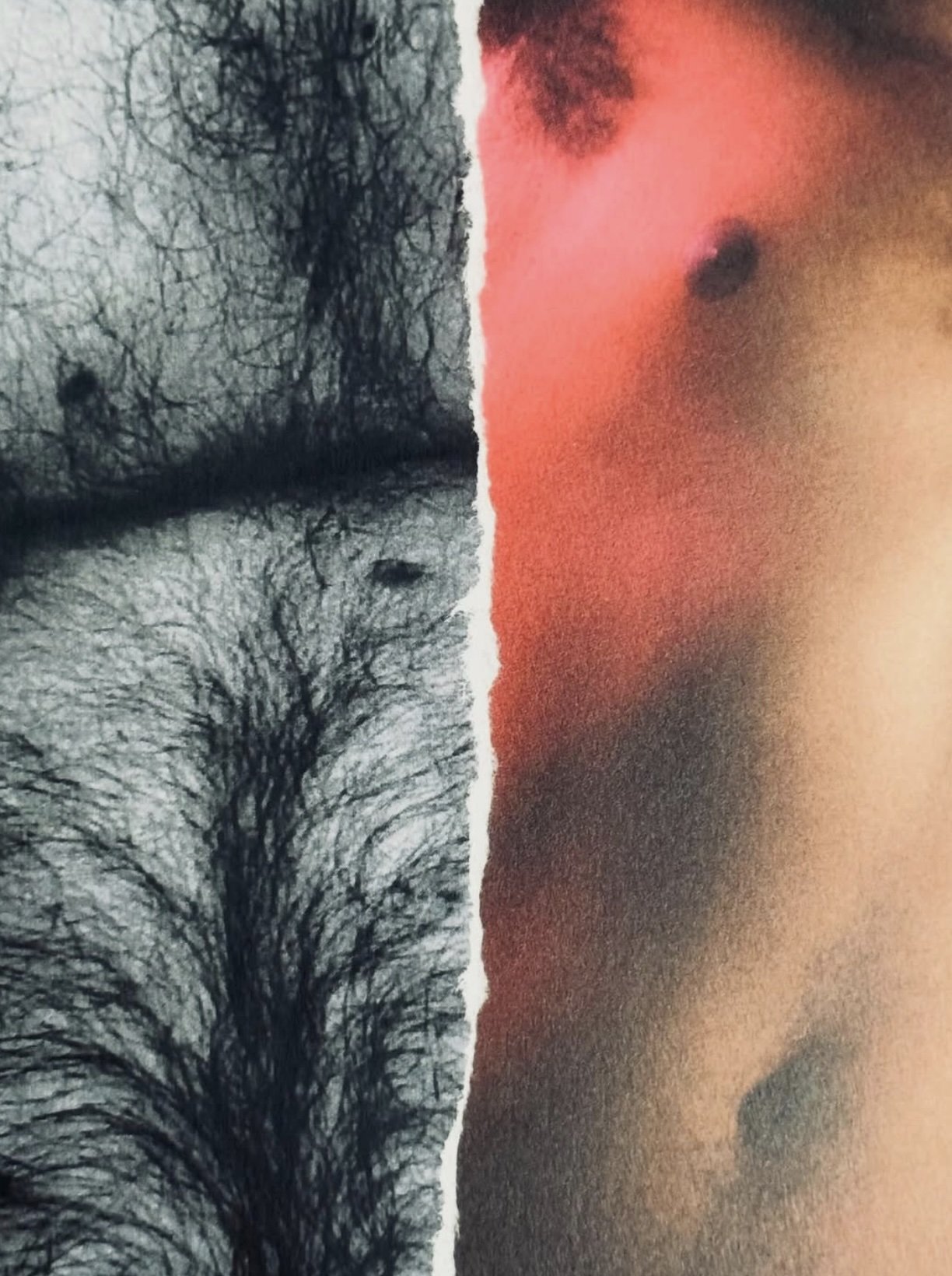
Advance Praise for DAMAGE: NOTES ON A QUEER AESTHETIC
Excited to share the back-cover blurbs for DAMAGE. Thank you so much to these lovely folks for their thoughtful and incisive comments!
“This work is original and stimulating. The particular method of critique and address is unique—drawing from autotheory and memoir, this author explicates several artists’ work by implicating themself in both interpretation and personal consequence..”—Jacqueline Rhodes, Joan Negley Kelleher Centennial Professor of Rhetoric and Composition at the University of Texas at Austin
“A 'meditation on how to survive with pain' in relation to queer experience and visual artworks, Jonathan Alexander’s Damaged is a beautiful book. It draws on queer feminist modes of deep interpretation, daring to expose the most intimate aspects of the personal and his own embodied proclivities and attachments/repulsions to do justice to the “damaged” bodies of queer culture—his own and those of artists from Laura Aguilar to Cathie Opie and Carlos Martiel. Most profoundly, the book deploys and explores queer images to make sense of how any or all of us survive and thrive with the pain of being human, demonstrating the power of pictures to transform.”—Amelia Jones, Robert A. Day Professor at the Roski School of Art & Design, University of Southern California
“Thinking about his own intrepid selfies alongside an archive of self-representations by important artist-activists, Alexander composes an impassioned meditation on the aesthetics of queer damage, one that ultimately, astonishingly longs toward the hope and beauty of a broken world. His disclosure of the vulnerable body—his own, our own—is an artistic offering of stunning generosity, a gift no less profound than the very possibility of joy.”—Alice Dailey, Villanova University.
Creep Trilogy site updated!
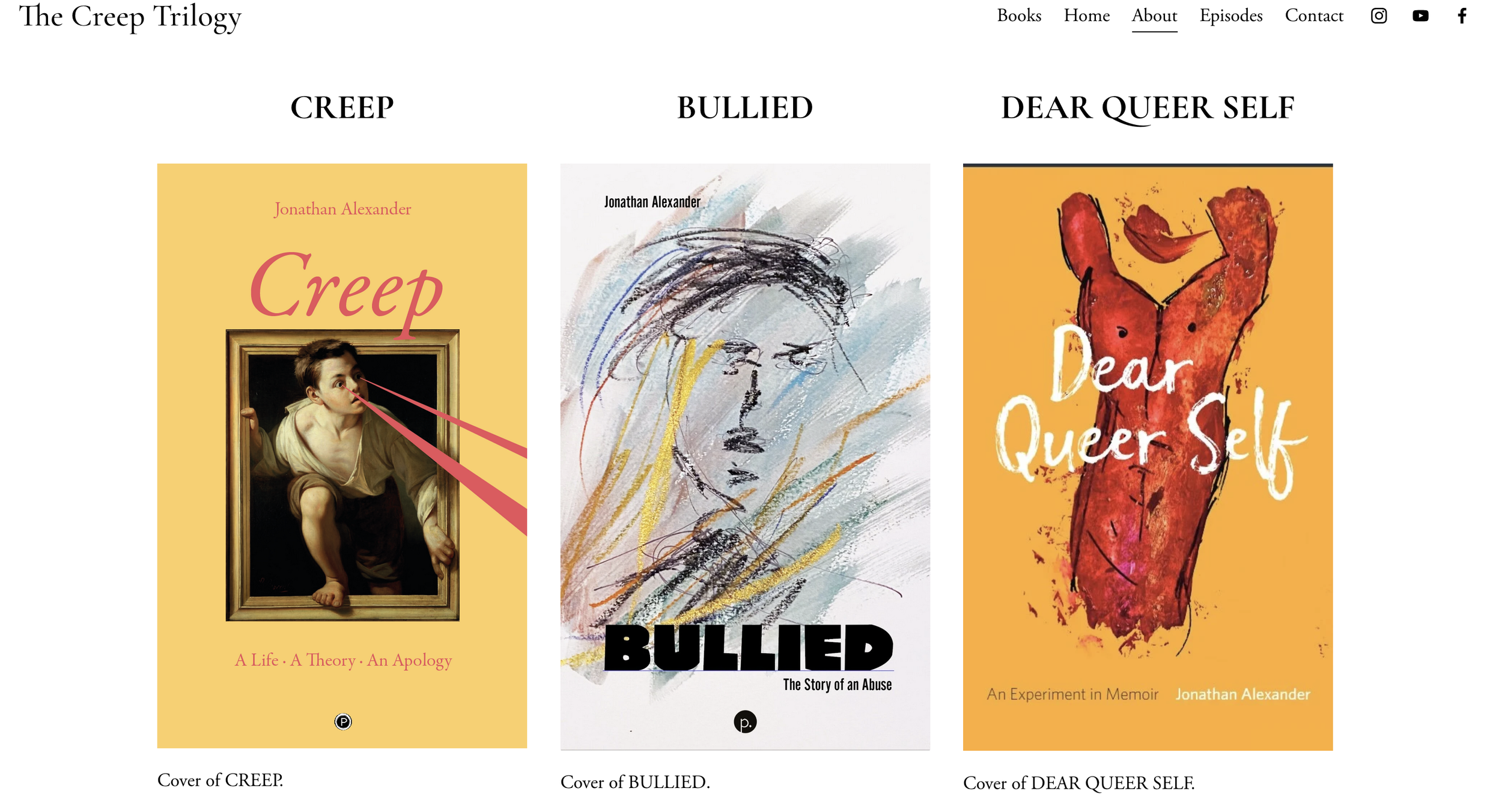
Have made some updates to the CREEP trilogy website, including the introduction of a separate YouTube channel for DQS — @dearqueerself. Enjoy!
DAMAGE has a cover!
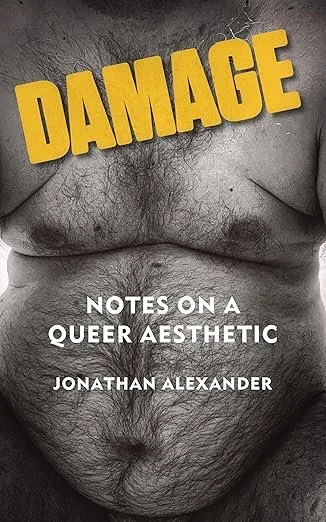
DAMAGE: NOTES ON A QUEER AESTHETIC comes out officially on June 2, 2026. Stay tuned for more information about this book as well as updates on various events surrounding its publication! 2026 is going to be quite a year for DAMAGE! For more info on the book, see the publisher’s page: https://fordhampress.com/damage-pb-9781531513160.html
DEI, Queerness, the Anthropocene!
SO grateful to @rebekah.sheldon for inviting me to present as part of her amazing PLANETARY FUTURES series @iubloomington. I presented a 45-minute performance piece entitled "Decadence, Enervation, Insomnia: A Queer DEI for the Anthropocene" -- in a BAR, the delightful BISHOP. I only ever now want to do performance pieces in bars. The audience was so generous, and my hosts spectacular exemplars of graciousness, patience, good humor, and probing intelligence. HIGHLIGHT of the year so far!

DAMAGE submitted!
And...it's off. THRILLED to be publishing this book with @fordham_press. Stay tuned for publication info.

Upcoming in Warsaw!
Delighted to be giving an American Studies Colloquium lecture at the University of Warsaw next week!
"The Minima Moralia of Autotheory: New Reflections on Damaged Life'
Thursday, April 24, 2025
at 4:45 p.m.
For more info: https://www.asc.uw.edu.pl/event/april-24-the-minima-moralia-of-autotheory-new-reflections-on-damaged-life/
Since the publication in 2015 of Maggie Nelson’s The Argonauts, the genre that has come to be known as autotheory has risen as one of the privileged genres — if not the privileged genre — of the American literary establishment. A hybrid genre, autotheory sifts insights from critical theory through the lived experiences of individuals, often from traditionally and systemically marginalized groups in US society. Some recent critics have criticized autotheory as a predominantly marketplace phenomenon driven by often highly over-educated and culturally elite writers seeking new audiences (beyond the academy) for their work. In this view, autotheory seems little more than a sophisticated form of navel-gazing produced by writers seeking to capitalize on the narrative spectacularization of their marginality.
Working with and against this critique, Alexander argues in this talk that autotheory is better understood as the most recent manifestation of a form of critique traceable to Theodor Adorno’s Minima Moralia. Formally comparable in its aphoristic style, autotheory shares with Adorno’s work a worrying over the “splinters” of contemporary existence as capable of providing larger insights into both late capitalist and fascist cultural and structural formations. Alexander draws on some recent autotheoretical texts as well as his own experience as a writer of autotheory to illuminate how autotheory, at its best, is never simply an indulgence in navel gazing but rather an acute attention to to the movement of capitalistic and fascistic forms of anti-life — an attention equally redolent with the desire to root in embodied experience forms of resistance necessary for imagining and living in our world otherwise.

Warsaw Bound!
In a couple of weeks, I’ll be at the University of Warsaw, presenting as part of their American Studies Colloquium Presentation. Title: “The Minima Moralia of Autotheory: New Reflections on Damaged Life." If you're in Poland in a couple of weeks, stop by! For more info: https://www.asc.uw.edu.pl/events/american-studies-colloquium-series/
AMAZING TIME at SASFest 2025!
Too many pics to post, but THANK YOU to the Saints & Sinners LGBTQ Literary Festival 2025 for an extraordinary experience. I’ve posted pics on Instagram!
SASFest 2025!!!
Come see me this Saturday and Sunday at the 2025 Saints and Sinners LGBTQ Literary Festival in NOLA! https://www.sasfest.org

New JA in LARB...
….on two of my favorite writers: Annie Ernaux and Hervé Guibert. I write in particular about their recently translated works of narrative combined with photography. Check it out: https://lareviewofbooks.org/article/unknown-structures/

JA in conversation with KSR
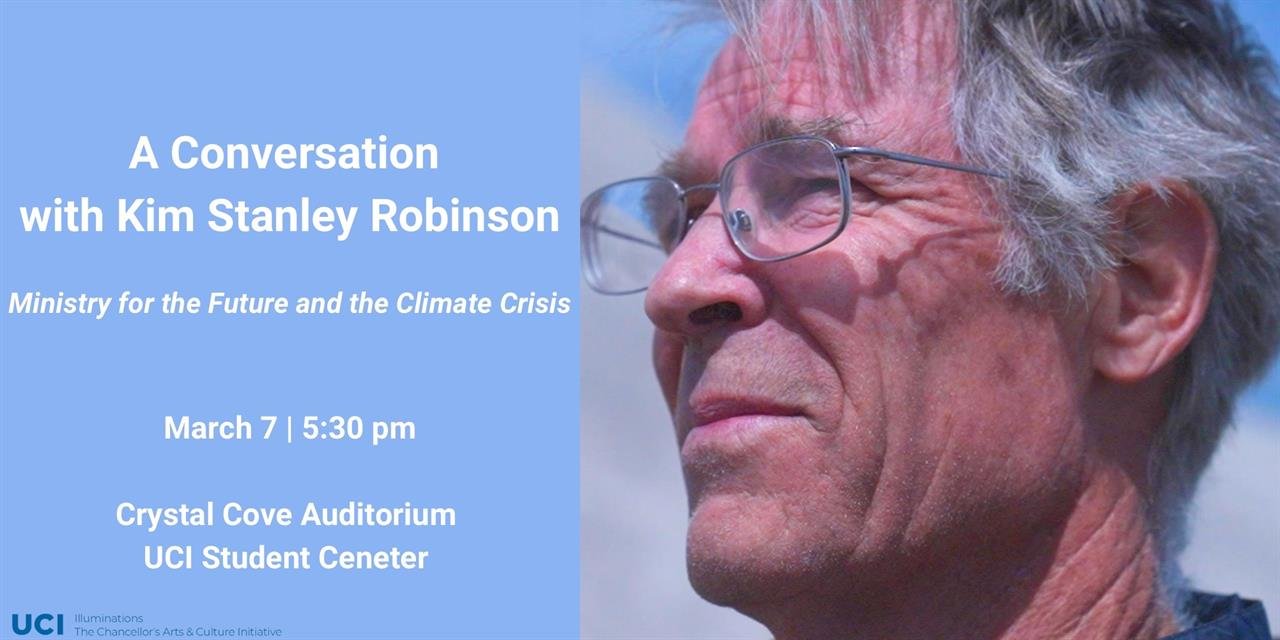
Very excited to be in conversation with Kim Stanley Robinson this coming Friday, March 7 at 5:30 pm at UCI. Check it out: https://campusgroups.uci.edu/illuminations/rsvp_boot?id=1938350
In the news...
Lovely write up about my photographs in the XYZ Gallery show, “I Me My” — https://www.humanities.uci.edu/news/jonathan-alexanders-photographs-featured-xyz-gallery-australia?fbclid=IwY2xjawIoLglleHRuA2FlbQIxMQABHXeNNR5JpyD72ZUogJlsKc4UkdHWzWBCJhvSyIMQnG_mFBXIs0_BuX0LUA_aem_o8S_yzxipxgY9ORpfaWWxA

JA Coming Up! Event and Appearance Lineup / Details coming soon!
Saints & Sinners Festival. March 28 – 30. New Orleans, LA. Event lineup TBA.
Forum for the Academy and the Public. March 7. University of California, Irvine. “A Conversation with Kim Stanley Robinson.” Jonathan Alexander in conversation with KSR.
CCCC. April 10. Baltimore, MD. “Collaboration (Intentional and Serendipitous) as Wayfinding and Remix” (with Karen Lunsford and Carl Whithaus)
American Studies Colloquium Series. April 24. University of Warsaw. Warsaw, Poland. “A Minima Moralia of Autotheory: New Reflections from Damaged Life.”
Planetary Futures Series. April 30. Indiana University. “A Queer DEI for the Anthropocene: Decadence, Enervation, Insomnia.”
XYZ Gallery -- Prints to Own
Check out my “prints to own” from the XYZ Gallery exhibition, “I Me Mine” on queer photography! https://www.photo-gallery.xyz/jonathan-alexander.
